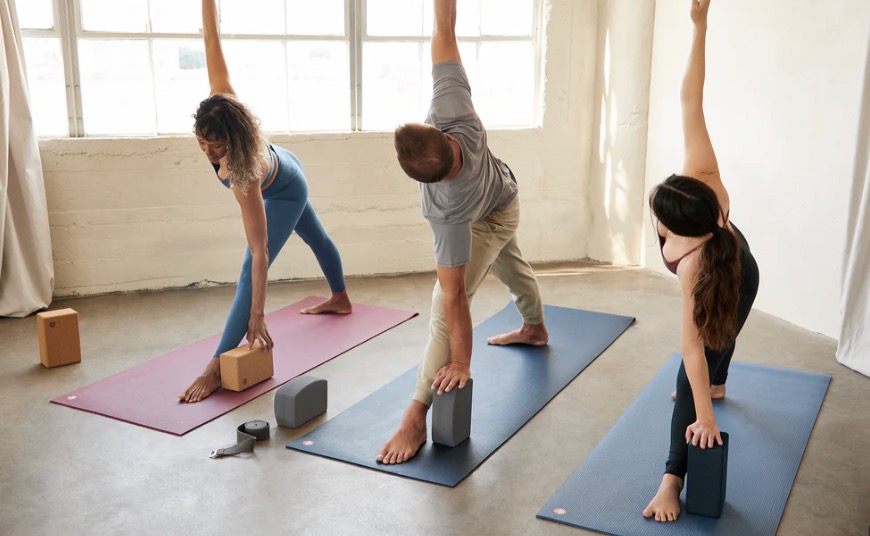
Wooden or Foam Blocks
Blocks are one of the most versatile yoga props. They bring the floor closer to you, helping you maintain proper alignment when flexibility is still developing. Wooden blocks offer firm, stable support for standing poses, while foam blocks provide a softer feel for restorative work. Use them under your hands, seat, or feet to modify poses and access deeper stretches safely. Always prepare at least 2 blocks per person — many poses call for a block on each side, and having a pair ready ensures you can flow through class without interruption.
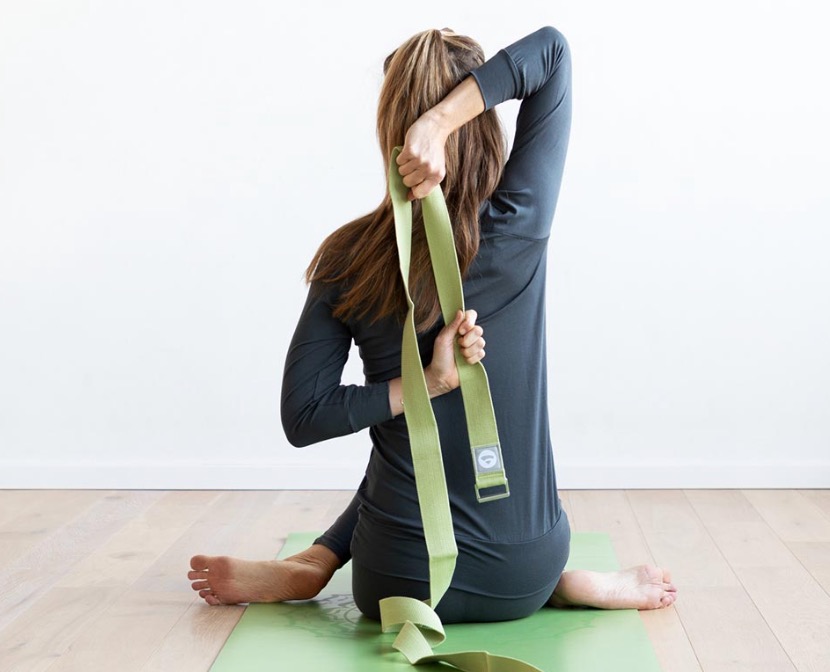
Straps
Yoga straps extend your reach and allow you to hold poses with proper form even when your flexibility hasn't caught up yet. They're especially helpful for seated forward folds, shoulder stretches, and bound poses. A strap lets you maintain the integrity of a posture without forcing or straining, making it an essential tool for students at every level. When shopping for a strap, look for one with a metal rectangular buckle rather than a half-round (D-ring) — rectangular buckles cinch more easily and hold their grip better during practice.
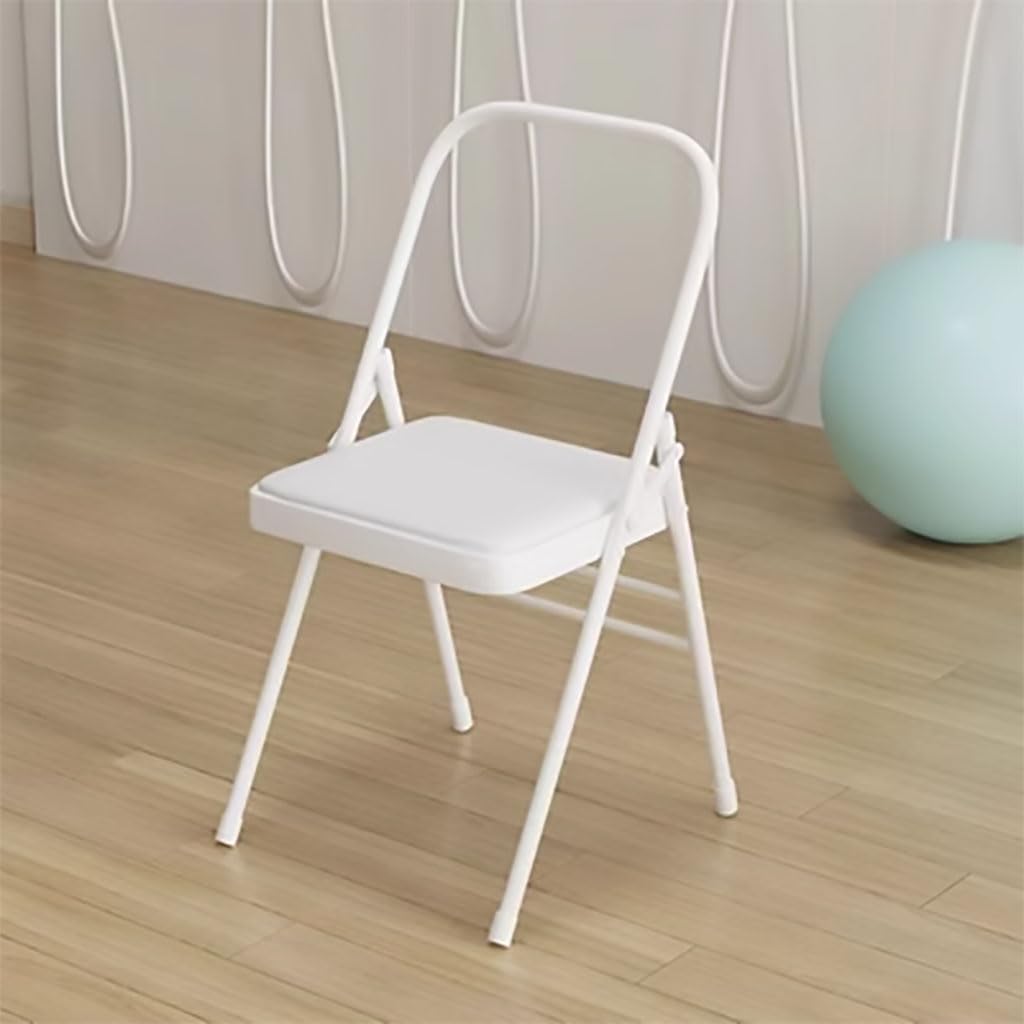
Yoga Chair
A yoga chair is a powerful prop for supported inversions, deep backbends, and seated twists. It provides a stable framework that allows you to experience poses that might otherwise be inaccessible, and it's invaluable for students working with injuries or limited mobility. Chair yoga is a complete practice in its own right, offering both strength and restoration.

Yoga Blankets
Yoga blankets provide cushioning under knees and hips, elevation under the sit bones for seated poses, and warmth during final relaxation. Their density makes them far more supportive than standard throw blankets, and they can be folded or rolled to serve as improvised bolsters. Mexican blankets work just as well as professional yoga blankets — their firm weave and ability to hold shape when folded make them an excellent and affordable alternative.
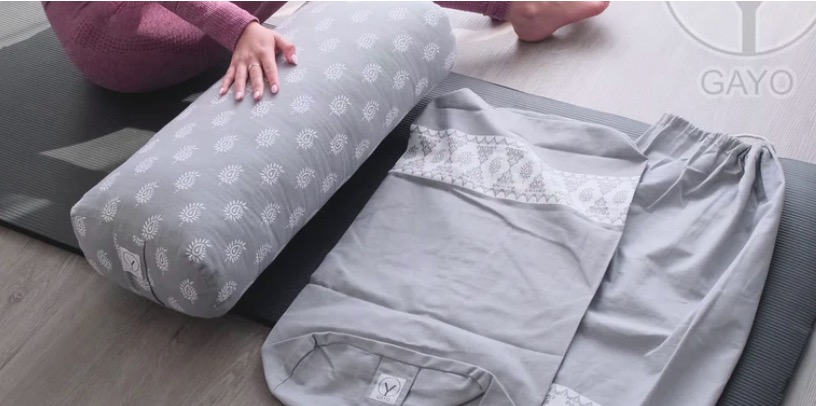
Firm Bolsters
Bolsters are essential for restorative yoga, providing full-body support that allows muscles to release completely. A firm bolster holds its shape under your weight, supporting your spine in reclined poses, opening the chest in supported backbends, and cradling the body in side-lying postures. They transform active poses into deeply restful, healing experiences.
Bolster size matters — choose one that matches your body proportions. Taller people benefit from larger, thicker bolsters that provide full-length support along the spine. For smaller frames, a compact bolster is actually ideal: it fits the body better and avoids awkward overhangs that misalign the pose.
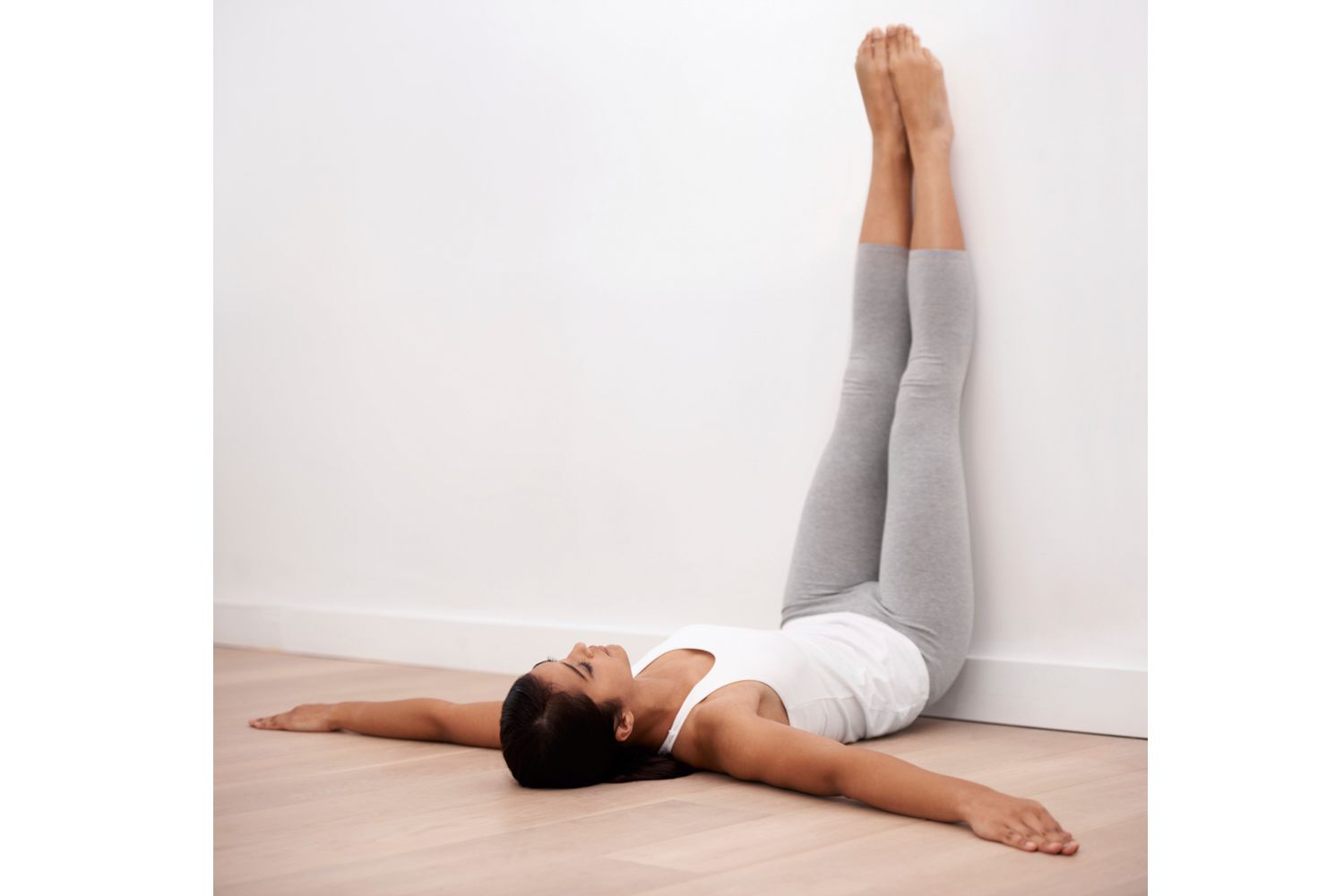
Wall Space
A clear, flat wall is one of the most important props in Iyengar yoga — and the only one you already have. The wall provides resistance and feedback that helps you deepen poses safely, find correct alignment, and build the strength needed for more advanced work.
Use it for restorative poses like Viparita Karani (legs up the wall), standing poses to check your alignment, supported backbends, and building toward inversions. You'll need roughly 6 feet of open wall space — free of furniture, frames, or shelves — with enough room to extend your arms and legs freely.